
Dr. Marc Siegel: Medical Miracles That Are Real, and Those That Aren't
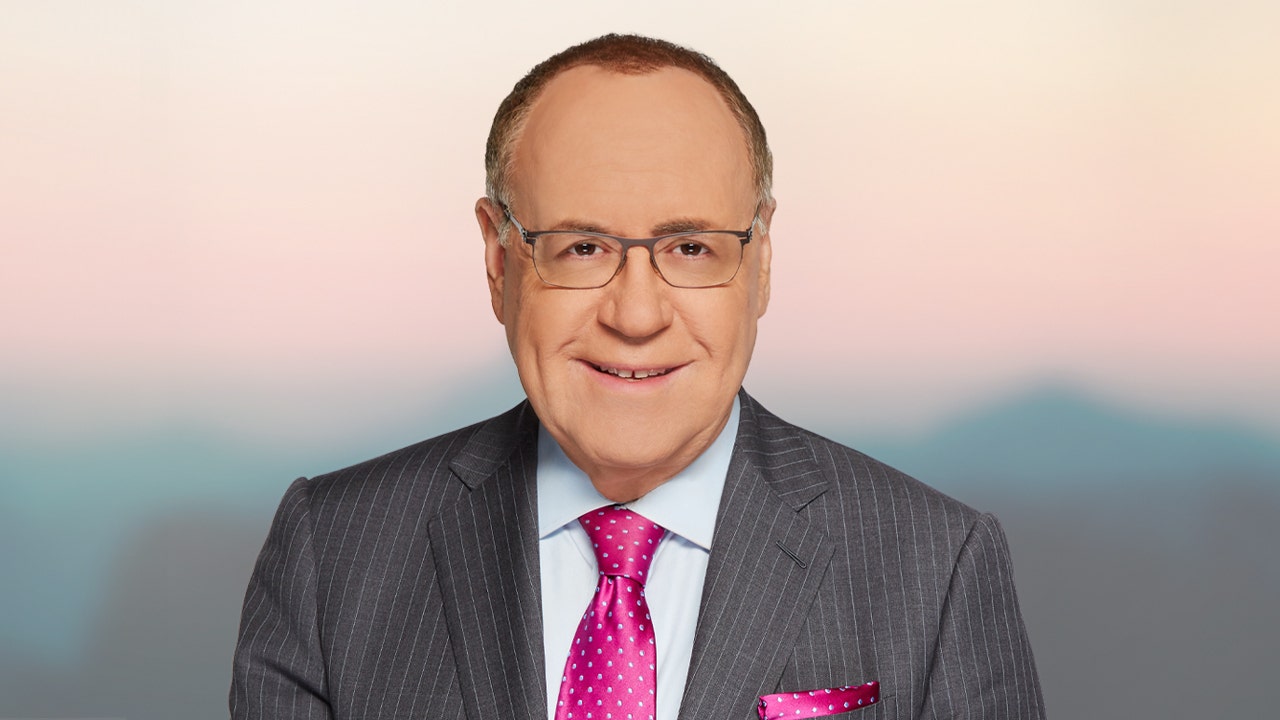
Understanding Medical Miracles
In an era where medical advancements seem to accelerate daily, the distinction between genuine breakthroughs and those that may be overstated or misunderstood is often blurred. Dr. Marc Siegel, a renowned physician and media commentator, sheds light on the various aspects of what constitutes a "medical miracle." His insights are critical in understanding how these phenomena can impact public perception and health policy.
The Definition of a Medical Miracle
Medical miracles are typically defined as miraculous recoveries or the unexpected effectiveness of treatments that traditionally lacked empirical support. Dr. Siegel points out that the term can encompass both spontaneous remissions and groundbreaking treatments that revolutionize healthcare. Events like these challenge the established norms of medicine, leading to both skepticism and celebration in the medical community.
Documented Medical Miracles
Several documented cases demonstrate true medical miracles that defy expectations. One significant example includes the advancement in immunotherapy for cancer patients. According to a Reuters report, certain therapies like CAR T-cell therapy have led to remarkable remissions in patients with aggressive forms of leukemia and lymphoma.
Advancements in Gene Therapy
Gene therapy represents another genuine leap in medical science. Treatments for genetic disorders, such as Spinal Muscular Atrophy (SMA), have received FDA approval and have shown unprecedented results in infants and children, effectively altering the disease’s trajectory. Dr. Siegel emphasizes these successes as evidence of the promising future of personalized medicine.
Miracles That Are Overstated
While many medical miracles have been substantiated, others have gained attention through anecdotal evidence and media hype, often lacking robust scientific validation. Dr. Siegel advises caution with such claims, especially in the context of rapidly shared information through social media channels.
The COVID-19 Vaccine Hype
For instance, much excitement surrounded various early claims about COVID-19 treatments, such as hydroxychloroquine and certain monoclonal antibodies. A Bloomberg analysis showed that initial successes were not universally replicable, reinforcing the importance of rigorous clinical trials and peer-reviewed studies before declaring a treatment a miracle.
Pseudoscience and Misinformation
Another concern is the prevalence of pseudoscientific claims that masquerade as medical miracles. This has been particularly visible in alternative treatments that have gained popularity among patients desperate for hope. Dr. Siegel warns against these potential traps, which can lead to significant public misjudgment and mistrust in established medical practices.
The Role of Evidence-Based Medicine
Evidence-based medicine relies on systematic reviews and clinical trials to dictate appropriate care standards. Dr. Siegel urges the public to be vigilant and educated consumers of medical information, ensuring claims are backed by credible sources. He advocates for transparency in reporting and emphasizes the importance of scientific literacy in combating misinformation.
The Impact on Healthcare Policy
Distinguishing between real and overstated medical miracles has significant implications for healthcare policy. Medical breakthroughs require substantial investment in research and development, often influenced by public perception and media coverage. Dr. Siegel notes that exaggerated claims can divert resources, affecting policy decisions and potentially sidelining valid treatments.
Future of Medical Research
The future of medical research appears promising, but it is essential to maintain a balanced approach. Investments in genuine miracles must occur alongside a commitment to ethical standards in research. Dr. Siegel emphasizes collaboration across multiple medical disciplines, which is vital for fostering innovation without succumbing to the allure of miracle claims that lack evidence.
Public Awareness and Skepticism
Dr. Siegel highlights the need for increased public awareness about what constitutes a medical miracle. Education campaigns that promote understanding of scientific methodologies can foster skepticism regarding unproven claims while also nurturing hope for legitimate advancements.
Building Trust in the Medical Community
Trust is fundamental in the relationship between patients and healthcare providers. Misinformation can erode this trust, leading to hesitancy around evidence-based treatments. Dr. Siegel proposes efforts to foster transparency and communication between physicians and the public, ensuring that individuals are informed and empowered in their health decisions while understanding the complexities of medical miracles.
The Broader Significance
Understanding the dynamics around medical miracles is essential not only for individual patients but also for healthcare systems at large. The ramifications extend into insurance policies, funding for research, and the ethical landscape of clinical practices. Dr. Siegel warns of the dangers of conflating hope with misleading information, urging a critical examination of each claim as the medical field continues to evolve.
The conversation about medical miracles is ongoing, with Dr. Siegel at the forefront, advocating for a nuanced approach that distinguishes between genuine advancements and overblown claims. As science progresses, ongoing dialogue among stakeholders will be crucial in shaping a future where true medical miracles can flourish amidst a landscape of skepticism.
For ongoing coverage and deeper context on global technology and market developments, readers can follow reporting and analysis from Talktive.space.


.png)

0 Comments